JSW Centre for Climate Change and Health


Research Studies
JSW Centre for Climate Change and Health
Water, Sanitation and Hygiene (WASH) are essential foundations for children’s health, and learning. For school-going children aged 6–14 years, schools are critical spaces where daily hygiene behaviours are formed and reinforced. Inadequate WASH exposes them to preventable illnesses such as diarrhoeal diseases, intestinal worm infections, acute respiratory infections, and urinary tract infections, while also contributing to undernutrition, absenteeism, and poor educational outcomes such as dropouts particularly among adolescent girls.
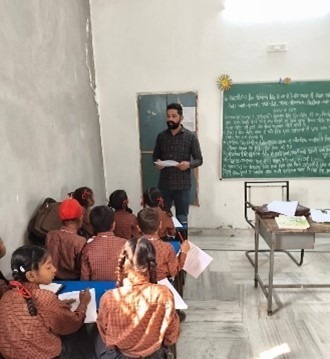
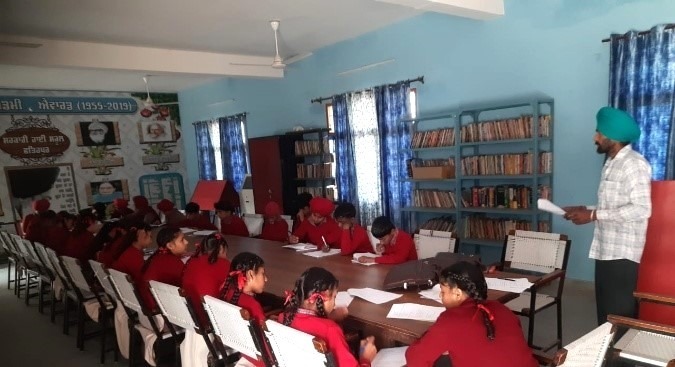
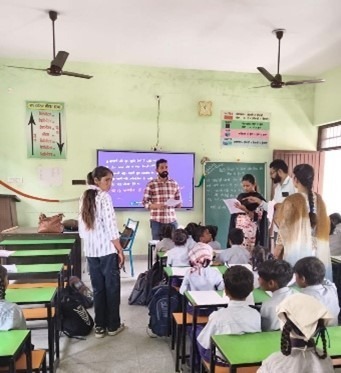
To generate district-level evidence, a mixed-methods baseline assessment was conducted across 70 government schools covering all blocks of Moga and Patiala districts, Punjab. Quantitative data were collected from 3,540 male and female students aged 6–14 years (1,770 per district), alongside structured observations of sanitation and hygiene facilities using GPS- mapped photographs. In addition, 127 key informant interviews were conducted with school staff, sanitation workers, parents, community representatives, and district- and state-level officials in the State education department, Municipal Corporation and Rural Development departments to understand governance and implementation challenges.
Findings indicate that while sanitation and hygiene infrastructure is largely present across schools, its adequacy and functional usability remain inconsistent. Routine cleaning is often dependent on informal arrangements, particularly in schools without dedicated sanitation staff. Students reported high levels of basic hygiene knowledge and practices related to handwashing and toilet use. However, observations showed that soap was often not available in toilets and that many sanitation facilities were in poor condition, limiting students’ ability to practice hygiene behaviours consistently. Menstrual hygiene management facilities were inadequate in many schools, affecting adolescent girls’ comfort and safe toilet use. These challenges have implications not only for health but also on dropout of adolescent female students.
The study further highlights that hygiene behaviours are shaped by factors beyond the school environment; parental education emerged as an important influencing factor, reinforcing the role of household and community contexts in sustaining safe and hygienic practices among children. Qualitative findings highlighted systemic issues including fragmented institutional roles, monitoring systems focused on infrastructure reporting rather than functionality, low wages and irregular supervision of sanitation workers, and uneven engagement of School Management Committees (SMCs).
Overall, the study underscores that infrastructure provision alone is insufficient. Sustainable school WASH requires strengthened operation and maintenance systems, reliable human resource allocation, gender-responsive design, and improved governance and accountability mechanisms.
Sesame Workshop India Trust (SWIT) and Jagran Pehel have provided the required support in carrying out this baseline study. The Department of School Education, Government of Punjab also provided support and encouragement in conducting this baseline study.
Current disease surveillance systems often detect outbreaks only after cases surge or laboratory confirmation arrives—sometimes too late for optimal intervention. Our innovative pilot project explores a transformative approach: using human immune response biomarkers as early warning signals for acute respiratory infections in India.
JSW Center for Climate Change, PHFI in collaboration with The University of Sydney Infectious Disease Institute, will implement a 12-month pilot study recruiting approximately 100 patients with febrile respiratory illness and 30 healthy controls. We will measure an updated panel of host response genes and compare results with routine diagnostic data to assess their potential as early warning indicators.
This project aims to bridges cutting-edge biomarker science with practical One Health surveillance strategies. By generating feasibility data and proof-of-concept evidence, we aim to establish partnerships that will support future large-scale India-Australia collaborations and create scalable surveillance platforms for improved outbreak preparedness and public health protection.