JSW Centre for Climate Change and Health


World Health Summit Academic Alliance expert meeting on Climate and Wellbeing
JSW Centre for Climate Change and Health
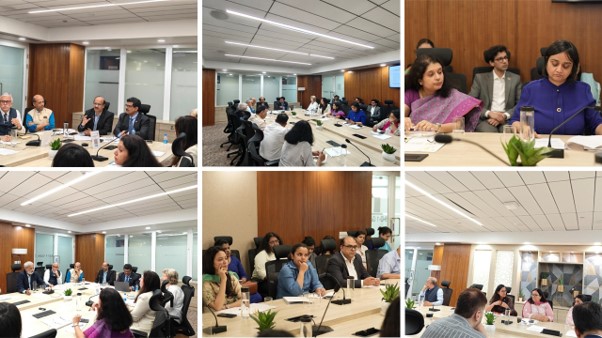
The JSW Centre for Climate Change and Health, Public Health Foundation of India, participated in the World Health Summit expert meeting on Climate and Wellbeing on 23rd and 24th August. The Centre served as a knowledge partner at the event.
At the World Health Summit, the Centre convened technical sessions addressing climate-resilient health systems; climate impacts on reproductive maternal and child health; the health effects of air pollution, and leadership and policy frameworks on climate and health.
These sessions got together experts from government, development partners, academia, industry, and civil society organizations to focus on generating evidence-based insights, evaluate existing frameworks and opportunities for all-inclusive policies, foster collaboration and identify actionable solutions for a healthier, more equitable and climate-resilient future.
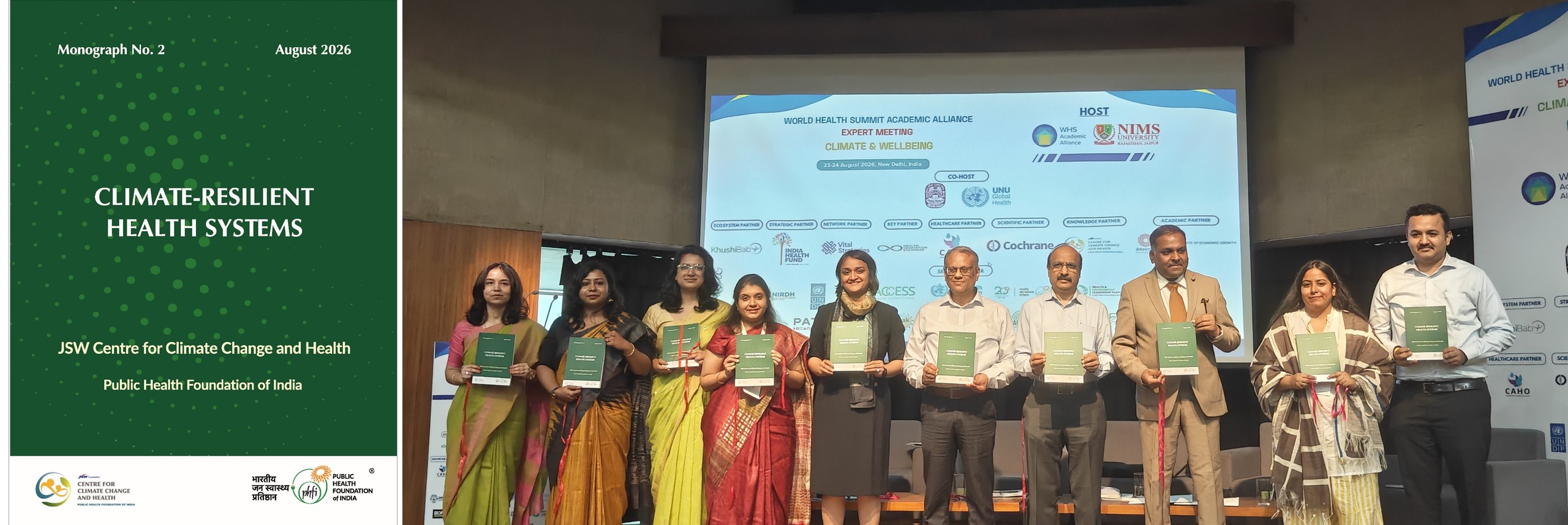
The centre also released the Monograph on Climate-Resilient Health Systems (CRHS) at the World Health Summit on 23rd Aug 2026 in the distinguished presence of Dr. Aakash Shrivastava, Additional Director and Lead, NPCCHH, NCDC; Professor Sanjay Zodpey, President, PHFI, Dr. Revati Phalkey, Director, UNU-Global Health, Malaysia; Dr. Asheesh Jain Head- Health Vertical, JSW Foundation, Dr. Sandeep Thacker, Environmental Health Specialist, Natural Resources Defense Council (NRDC) India, Ms. Chehak Ahuja, Senior Consultant- Climate Resilience, Council on Energy, Environment and Water (CEEW), and the JSW CCCH team – Prof. Preeti Negandhi, Dr Priyanka Dey, Ms. Manushi Sharma and Dr. Megha Thakur
This monograph is one of several in the series being developed by the JSW CCCH and focuses on the resilience of health systems and health care facilities to climate shocks and stresses. It draws together evidence from global literature, an examination of India’s policy and facility-level landscape, deliberations from an expert consultation with practitioners working across climate change, public health and health infrastructure, and a comparative reading of Indian and international case studies, to illustrate how climate resilience is a health systems challenge, what strengthening that resilience requires in practice and a potential way forward for India.
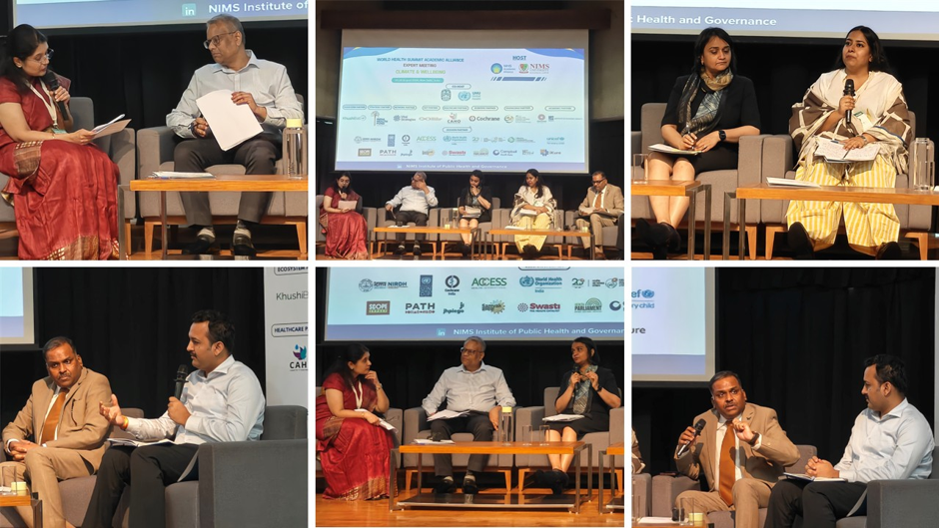
The panel discussion was moderated by Prof. Preeti Negandhi, Professor and Chair, JSW Centre for Climate Change and Health. Panellists included Dr. Aakash Shrivastava, Additional Director and Lead, NPCCHH, NCDC; Dr. Revati Phalkey, Director, UNU-Global Health, Malaysia; Ms. Chehak Ahuja, Senior Consultant, Climate Resilience, CEEW; Dr. Asheesh Jain, Head, Health Vertical, JSW Foundation; and Dr. Sandeep Thacker, Environmental Health Specialist, NRDC India.
The panel explored practical ways to build climate-resilient health systems, highlighting the need for locally tailored, cross-sectoral solutions across policy, infrastructure, community action, and environmental health. Anchored around the WHO framework, the panel addressed operationalizing climate-resilient health systems by translating national policies into district-level action, integrating climate data into health information systems, and scaling clean energy across decentralized facilities. The panellists highlighted bridging early warning systems with facility readiness, training the health workforce for climate surges, and aligning philanthropic and public finance to sustain long-term infrastructure.
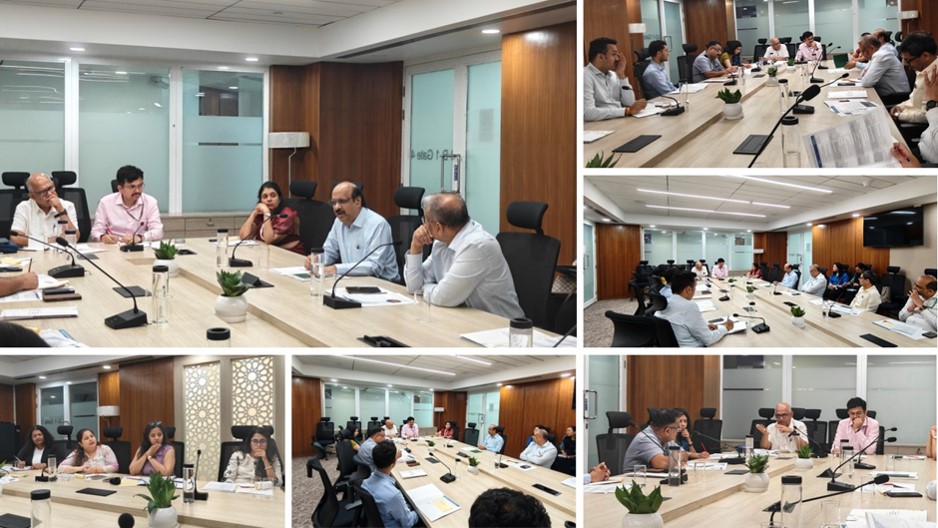
The session was moderated by Prof. Dr. Harshal Ramesh Salve, Lead – Centre of Excellence on Air Pollution and Health under NPCCHH, MOHFW, GoI; Nodal Officer (AIIMS) – National Programme for Climate Change and Human Health (NPCCHH), and Dr. Raj Shankar Ghosh, Senior Advisor – One Health and Environmental Health PHFI, with opening remarks by Dr. Aakash Shrivastava, Additional Director and Head Centre for Climate Change and Health, NPCCHH, who highlighted the need to strengthen the public health response to air pollution.
The session brought together experts in public health, medicine, environmental science, academia, policy, and practice to discuss air pollution’s health impacts, emerging evidence, and priority actions across various levels to reduce exposure. The depth of the discussion confirmed the importance of bringing together diverse perspectives to address one of India’s most pressing environmental health challenges.
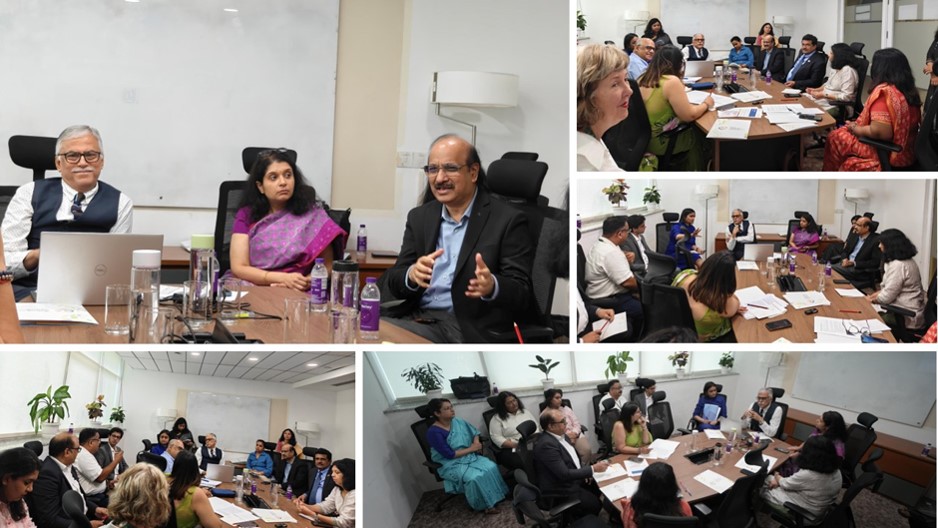
The session moderated by Dr. Rajesh Mehta, Adjunct Faculty, PHFI and former Regional Advisor, WHO-SEARO, featured opening remarks from Dr. Revati Phalkey, Director UNU-Global Health; Dr. Bhumika Talwar, Programme Specialist – Maternal Health & Midwifery, UNFPA India; and Dr. Shailendra Sawleshwarkar Associate Dean for International and Executive Education, UNSW Sydney, on climate justice, service delivery, and academic preparedness. The session brought together public health practitioners, academicians, and policy voices to discuss how climate change is shaping risks for women, children, and adolescents, and how health systems can respond.
Participants then brainstormed across five themes: research gaps, health system readiness, community readiness, family preparedness, and integration of climate content into medical and nursing curricula.
The session was co-moderated by Prof. Sanjay Zodpey, President, PHFI, and Prof. Shailendra Sawleshwarkar, Associate Dean for International and Executive Education, UNSW Sydney.
The discussion brought together public health experts, academicians, and policy voices to examine how climate and health work can move from evidence to action. Participants emphasized the need for institutional leadership, clear accountability, and stronger policy frameworks for effective cross-sector coordination to advance climate and health priorities in India.