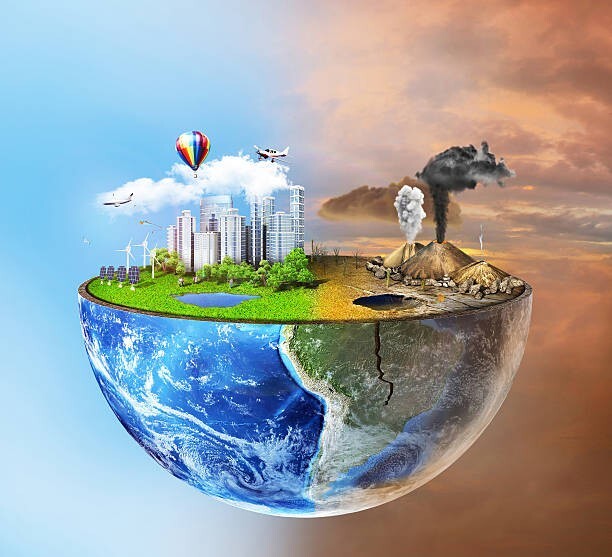



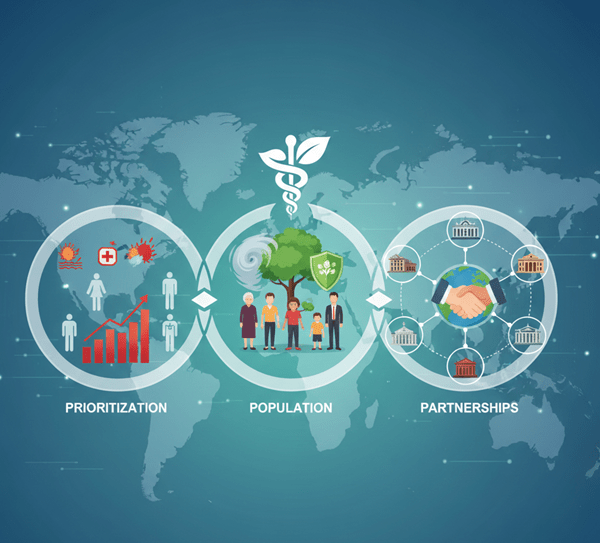
The 3P Model focuses on prioritizing high-impact climate risks, protecting vulnerable populations, and building partnerships with national and global centres of excellence to strengthen climate-resilient health systems.
Climate change threatens global health and the Sustainable Development Goals (SDGs) through disasters and disease. The JSW Centre for Climate Change and Health (JSW CCCH), established at the Public Health Foundation of India (PHFI), with the support of the JSW Foundation, aims to serve as an integrated response to multidimensional impacts of climate change on human health. The Centre, launched in July 2025, plays an important role in accelerating Government of India’s commitment to address climate change impact on human health as reflected in the National Programme on Climate Change & Human Health (NPCCHH) and other relevant policies.

Operating as a multidisciplinary hub, the Centre supports India’s national health plans using a “3P” model: prioritizing high-impact climate factors, vulnerable populations, and strategic partnerships. Under the aegis of the Centre, the broad scope of work encompasses capacity building through academic and training courses, and evidence generation via research on climate-health impacts and innovative solutions. The Centre prioritizes knowledge dissemination and exchange through scientific articles, policy briefs, and technical panels, while raising public awareness through social media, student engagement, and youth brand ambassadors. By leveraging domestic and international partnerships, PHFI advances national climate goals and facilitates climate risk assessments and action, specifically through green procurement guidelines for hospital logistics to reduce supply chain emissions.
Accelerate India’s commitment to address health impacts of climate change as outlined in the National Programme on Climate Change and Human Health (NPCCHH)
Protect Public Health: Reduce climate-related health risks.
Resilient Health Systems: Strengthen healthcare against climate impacts.
Early Warning Systems: Predict and prevent climate-sensitive diseases.
Collaborative Action: Enable multi-sectoral climate-health response.
Accelerate India’s commitment to address health impacts of climate change as outlined in the National Programme on Climate Change and Human Health (NPCCHH)
Interdisciplinary Collaboration: Integrate climate, health, social sciences, and humanities to assess climate–health impacts holistically.
Evidence-Based Research: Generate actionable insights linking climate change to public health outcomes.
Work across climate, health, social sciences, and humanities to study climate–health impacts, engage communities and policymakers, and align actions with SDG 3, SDG 13, and India’s NPCCHH.
To accelerate India’s commitment to addressing the health impacts of climate change, as reflected in the National Plan for Climate Change & Human Health and related policies.
The 3P Model focuses on prioritizing high-impact climate risks, protecting vulnerable populations, and building partnerships with national and global centres of excellence to strengthen climate-resilient health systems.
Identify critical climate–health risks and vulnerable populations.
Conduct research and pilot studies to inform solutions.
Strengthen skills of institutions and professionals.
Support policy, partnerships, and public awareness initiatives.
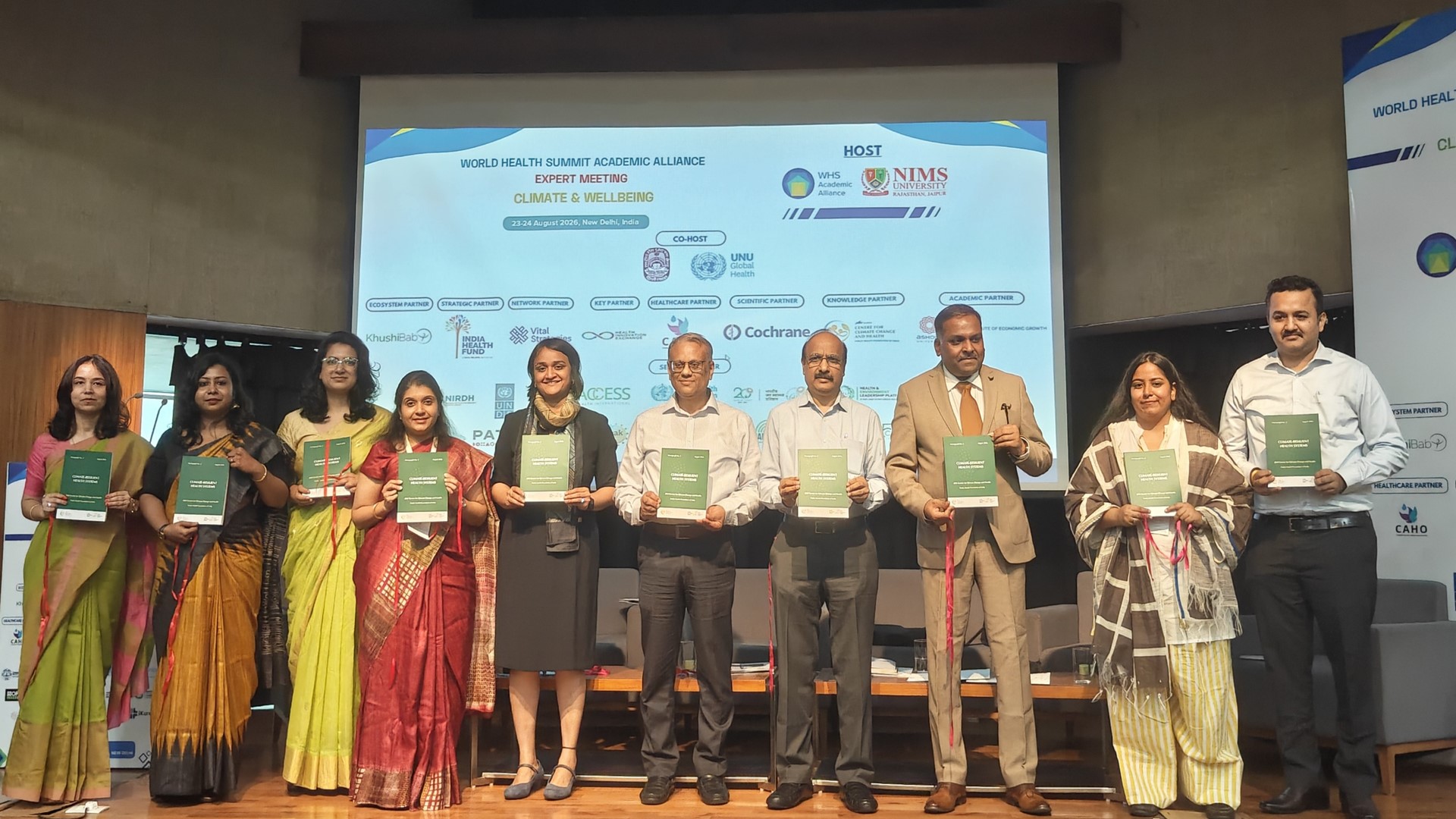
A high-level panel discussion at the JSW–Times of India event, bringing experts together to discuss climate action, public health resilience, policy collaboration, and sustainable solutions for India’s future
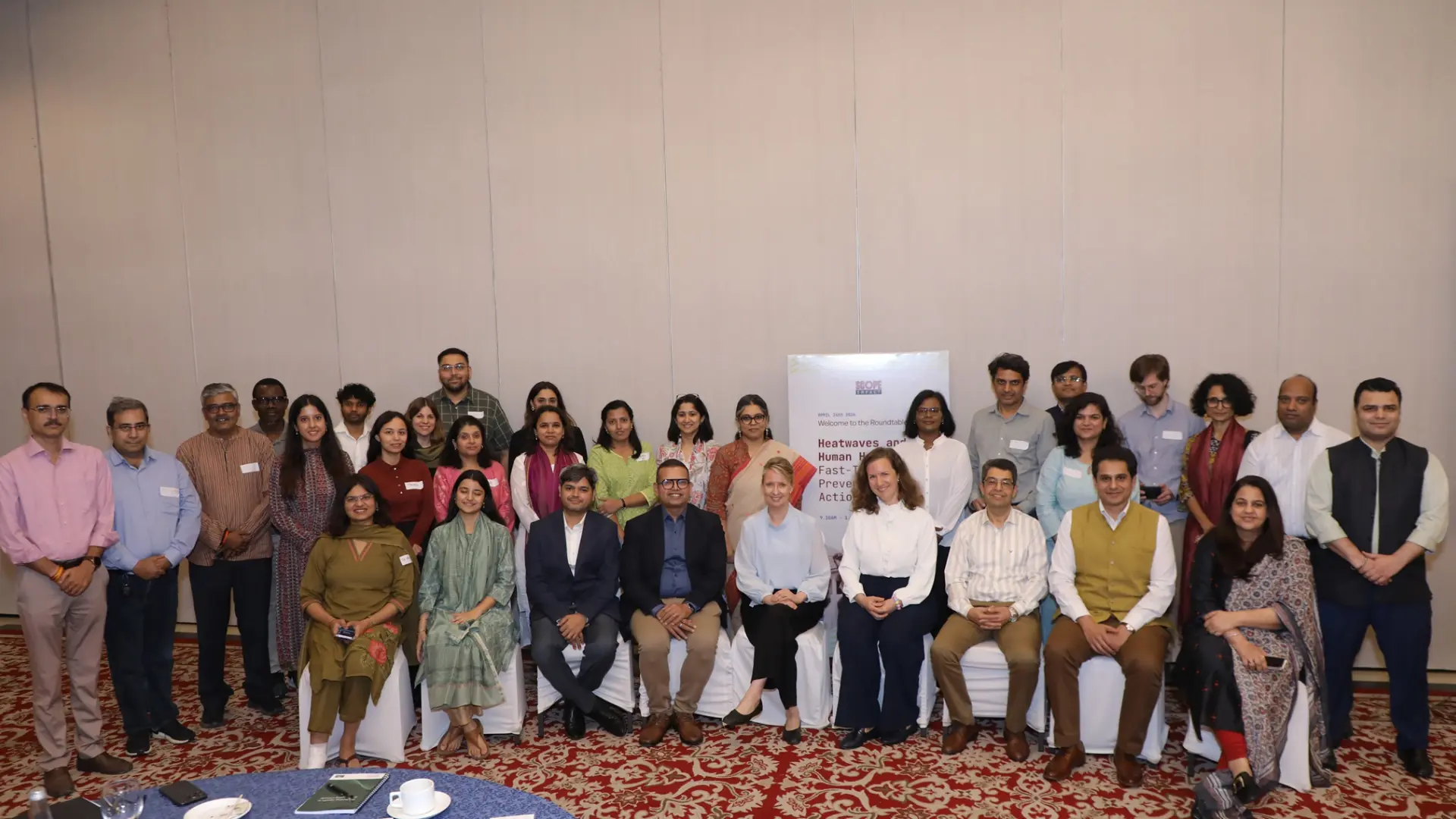
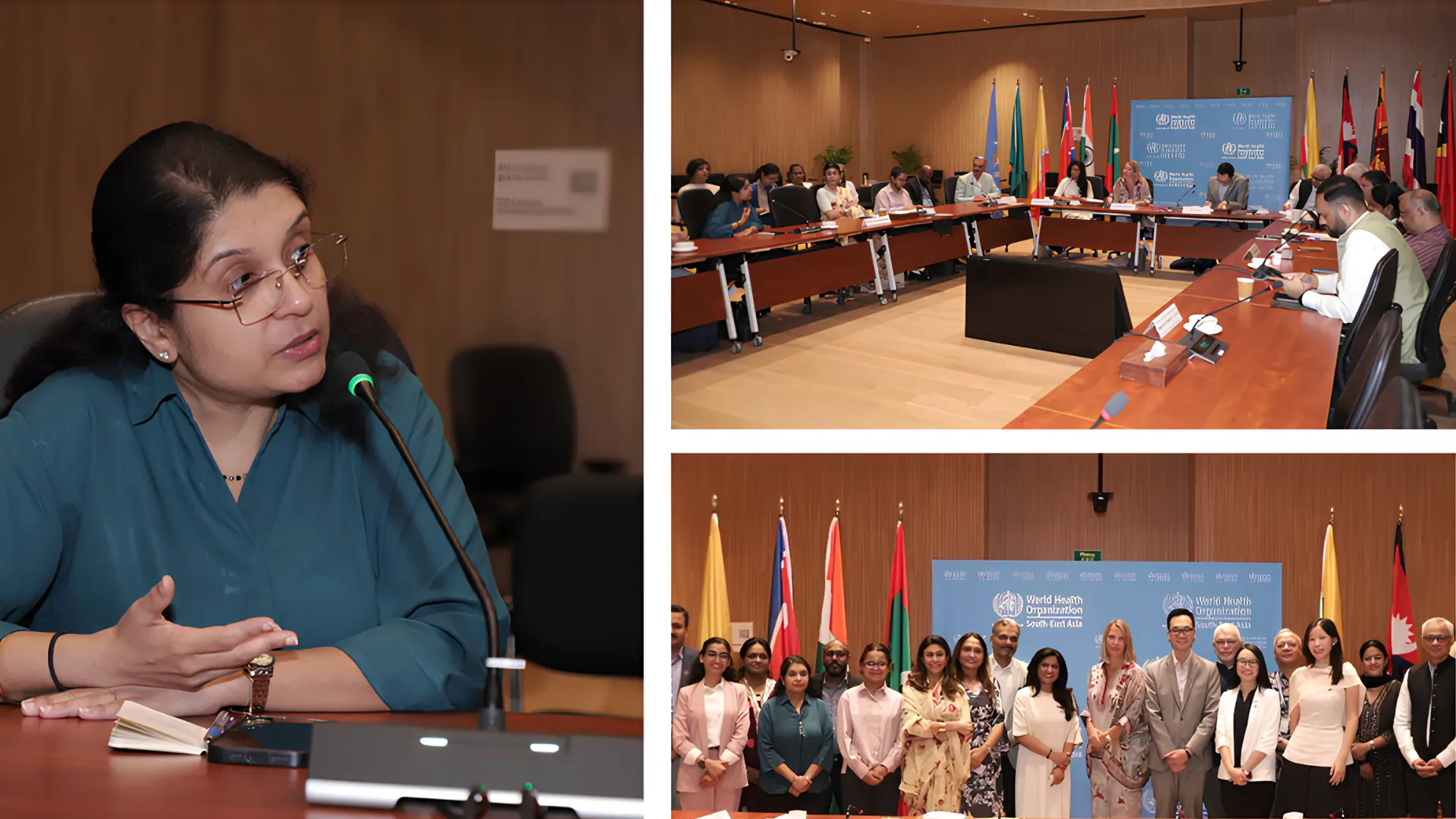
Meeting with Mumbai First to collaborate on developing the Mumbai Heat and Health Action Plan, focusing on heat risk mitigation, public health preparedness, and climate-resilient urban strategies.
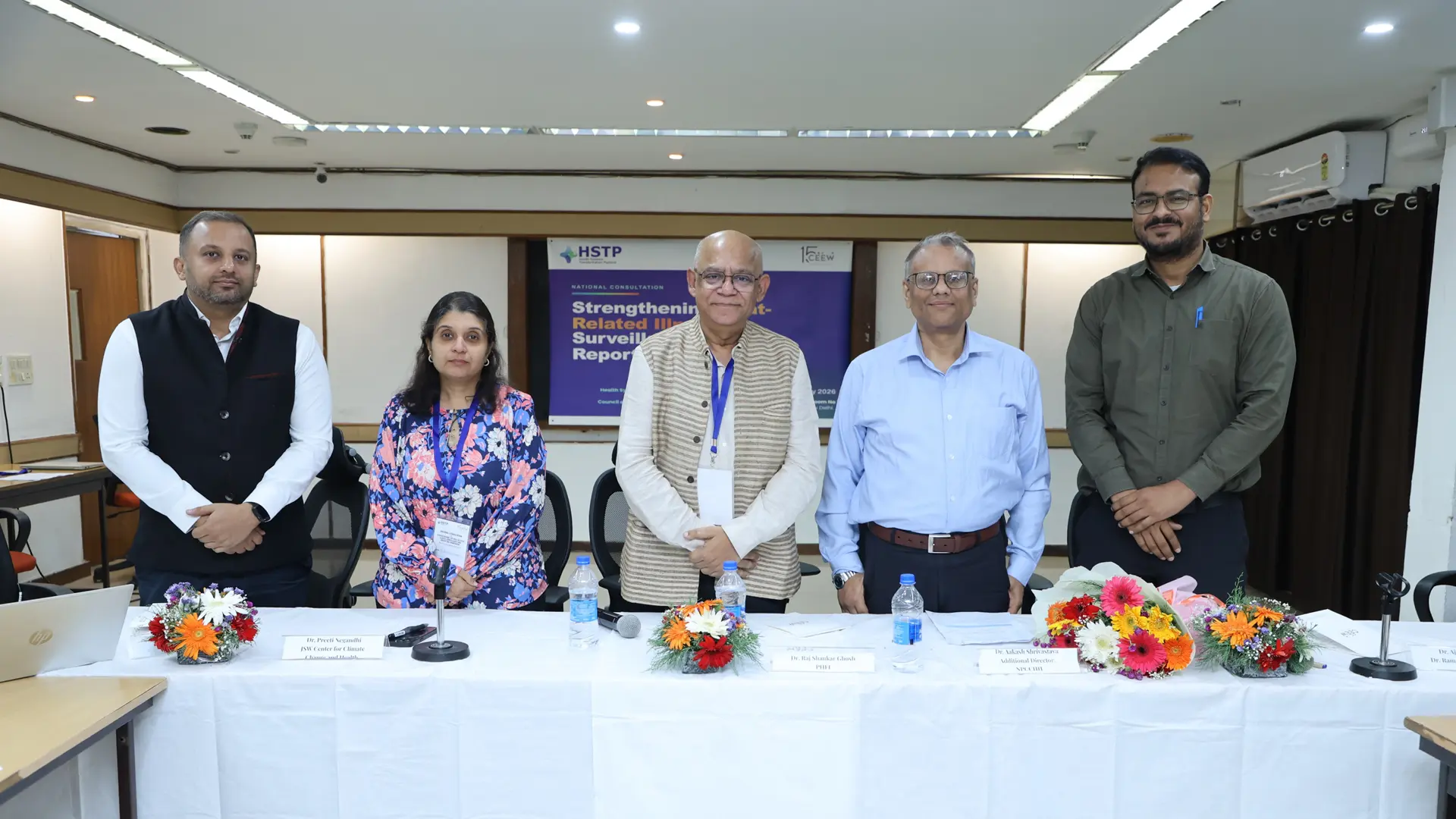
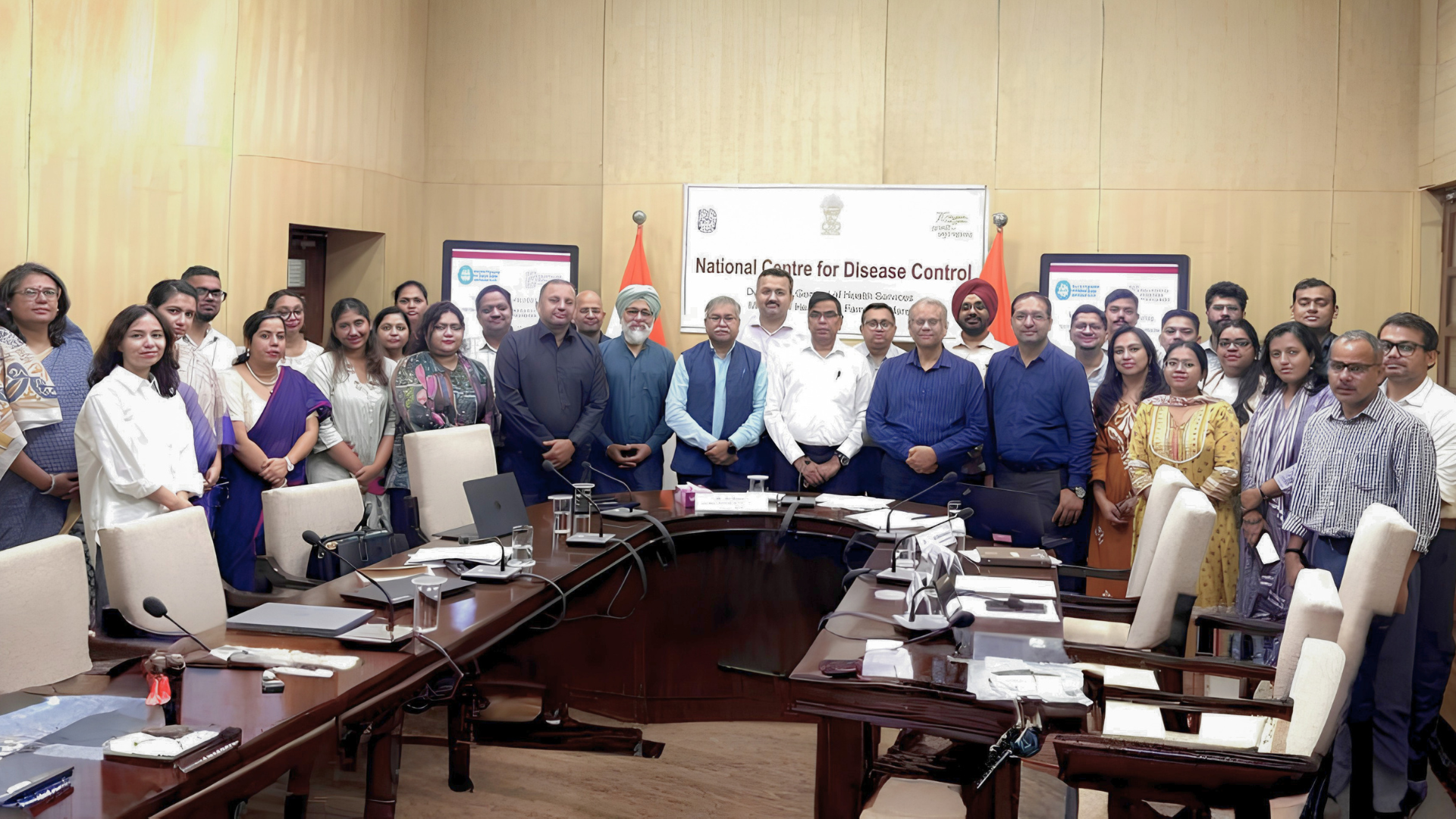
A consultation workshop at IIT Delhi focused on air quality, public health impacts, and effective policy implementation, bringing together experts, researchers, and policymakers to strengthen evidence-based strategies for improving air quality and health outcomes.
A focused roundtable with Mumbai First on developing the Mumbai Heat and Health Action Plan, discussing heat risk assessment, community protection measures, and coordinated policy actions to strengthen urban heat resilience.